The finale explained
Fire knife dancing and its Samoan roots
Where the fire knife comes from: the Samoan ailao and siva afi, the knife itself, Freddie Letuli of Nuʻuuli, and what to expect at the Orlando finale.
Save your seat at the luau ↗Quick answer
The fire knife is a traditional Samoan implement: a blade wrapped in towels at both ends, set alight and twirled in acrobatic stunts. In Samoa the dance is called siva afi. Its roots lie in the ailao, a warrior's display with a war club. Freddie Letuli, born in Nuʻuuli, is credited with originating the fire knife dance. The Orlando show ends with it.
What a fire knife is
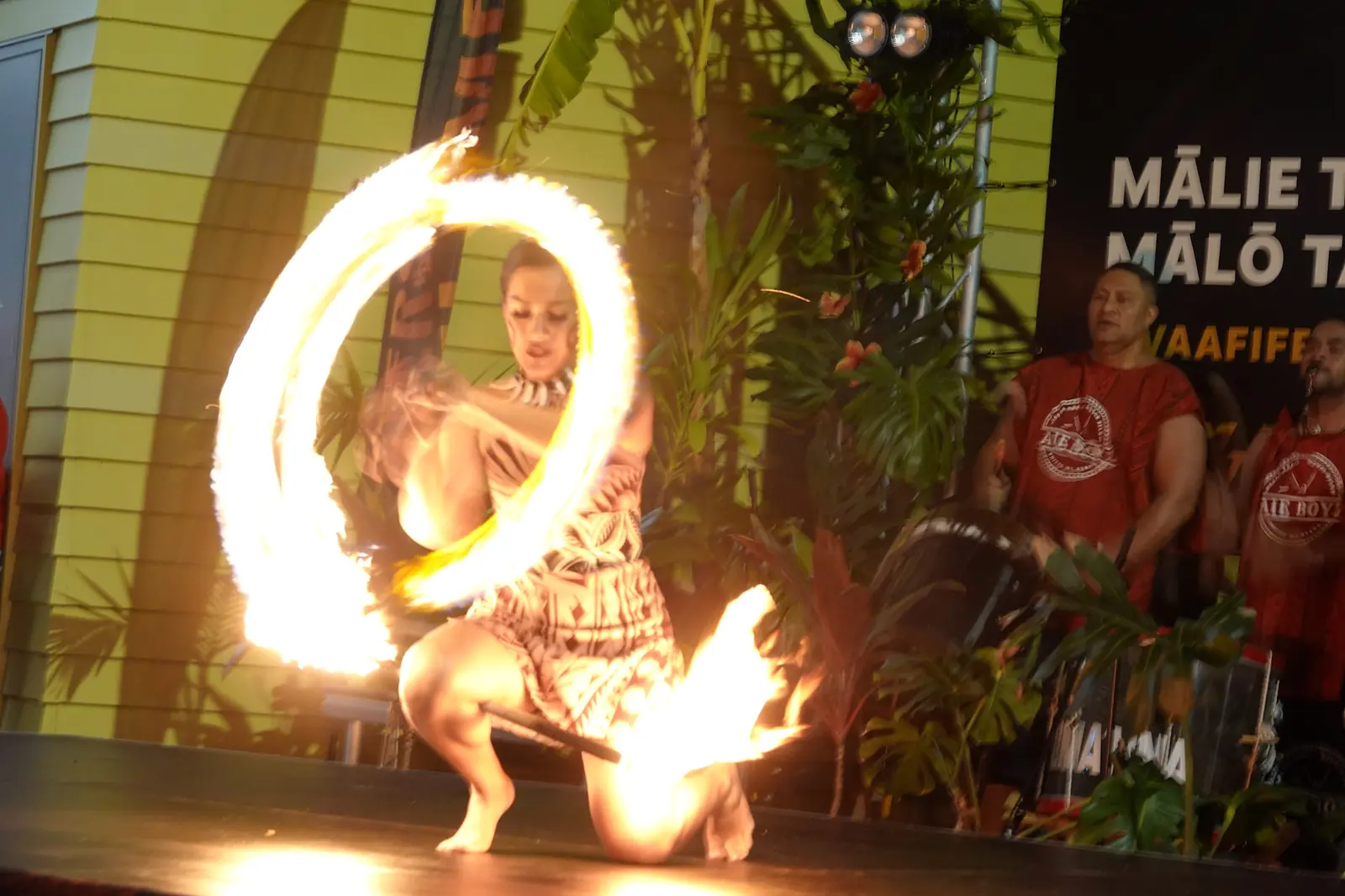
The fire knife is a traditional Samoan cultural implement used in ceremonial dances. It was originally a machete wrapped in towels on both ends, with a portion of the blade exposed in the middle. Performers dance while twirling the knife and doing other acrobatic stunts, and the towels are set afire during the dance, which is how the implement got its name. In Samoa the dance is called siva afi, or ailao afi. Fire knife dancing is performed at festivals as well as dinner shows, and the photograph above was taken at one in Auckland.
From the ailao to the stage
The modern fire knife dance has its roots in the ancient Samoan exhibition called ailao: a flashy demonstration of a warrior's battle prowess through artful twirling, throwing and catching, and dancing with a war club. The ailao could be performed with any war club. Some colonial accounts confirm that women also performed ailao at the head of ceremonial processions, especially the daughters of high chiefs. During night dances torches were often twirled and swung about by dancers as well.
The knife changes
Before metals were introduced, the clubs wielded in the ailao fashion were elaborately carved heirloom clubs called anava, frequently carved with serrated edges and jagged teeth. This is the weapon known as the nifoʻoti. When European and American whalers and traders began commercial ventures in Samoa, they introduced the long-handled blubber knife and the hooked cane knife, and the metal hook was readily incorporated into the nifoʻoti, whether it was carved from wood or forged from steel.
Freddie Letuli, from Nuʻuuli
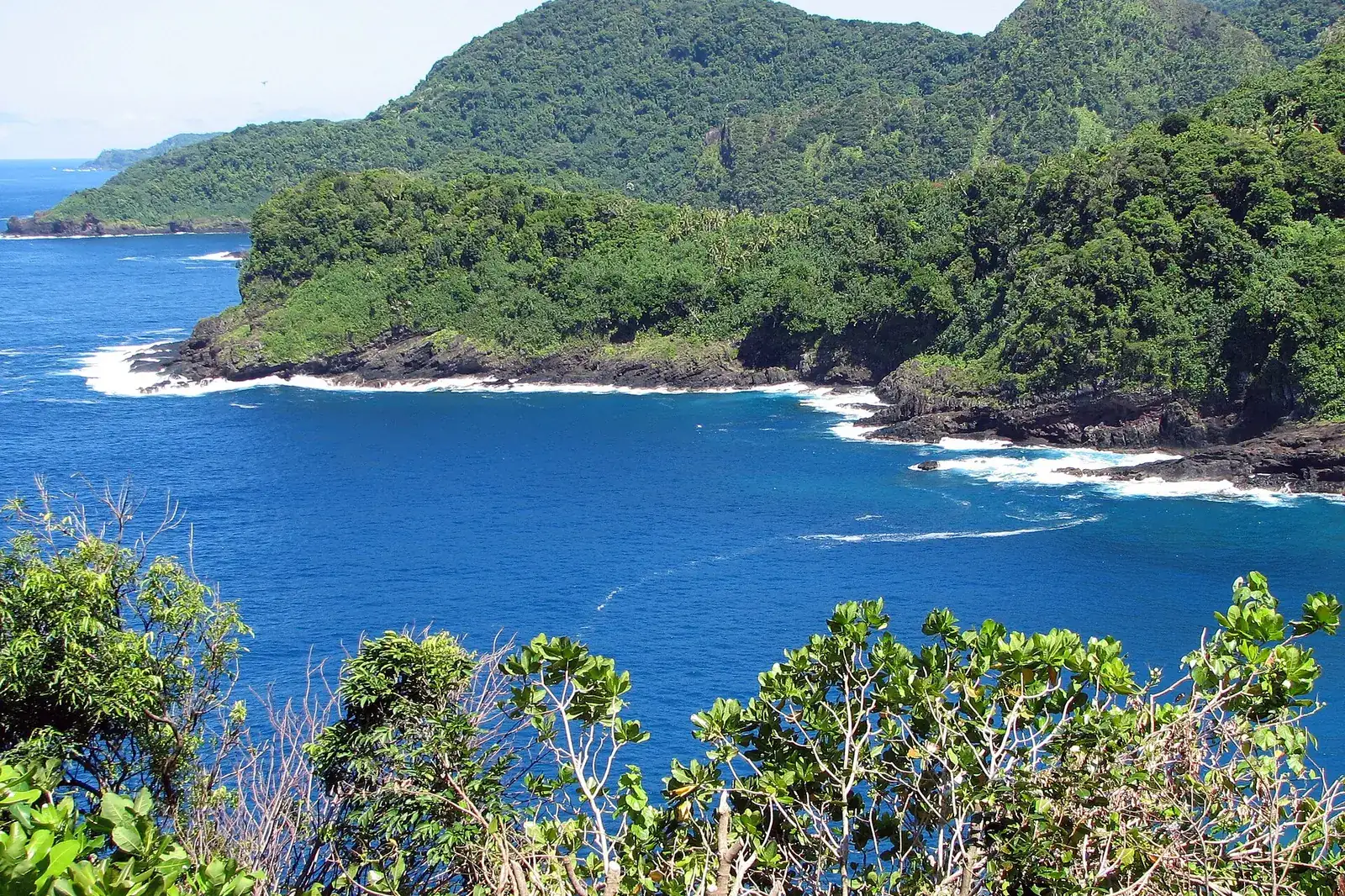
Freddie Letuli was born in the village of Nuʻuuli in American Samoa. He is credited with originating the fire knife dance at Golden Gate Park in San Francisco, after dancing in Hawaii and Los Angeles with two knives. In his own account, he wrapped a towel around the blade of his knife, and the Flaming Sword of Samoa became a reality. He performed throughout the United States and Europe, and he later returned to American Samoa, where he taught schoolchildren the art of Polynesian dancing. The history of the fire knife is told in more than one way, so treat this as one account among several.
The Orlando finale
The Orlando show ends with a fire knife finale. It is presented by a Samoan family from the village of Nuʻuuli, the village where Freddie Letuli was born. The operator describes the evening as a trip across the Polynesian islands in dance that builds to the finale, and it says its performers are available for photos after the show when they can. Photos and filming are fine while the show runs, without flash, and many performers are available for photos afterwards, so stay in your seat when the finale ends. The finale is the end point rather than the whole show, because dinner and the live band come first.
Who this isn't for
If bright flame bothers you, plan for it. The operator says the performance includes strobe lighting effects and smoke or fog machines, so the finale is loud and bright. A dinner show is also a performance, not a lesson: it will not teach you the history above. For that, read the sources below, and keep in mind that the history of the fire knife is told in more than one way. That is why this page keeps to the points the sources share.
Frequently asked questions
What does siva afi mean?
Siva afi is the Samoan name for the fire knife dance. Ailao afi is another name used in Samoa.
Who started the fire knife dance?
Its roots are in the ailao, an old Samoan display with a war club. Freddie Letuli, who was born in Nuʻuuli, is credited with originating the fire knife dance at Golden Gate Park in San Francisco.
Is photography allowed at the Orlando show?
Yes. The operator allows photos and filming during the performance but asks you not to use flash.
Does the show use strobe lights or smoke?
Yes. The operator says the performance includes strobe lighting effects as well as smoke and fog machines.
Sources